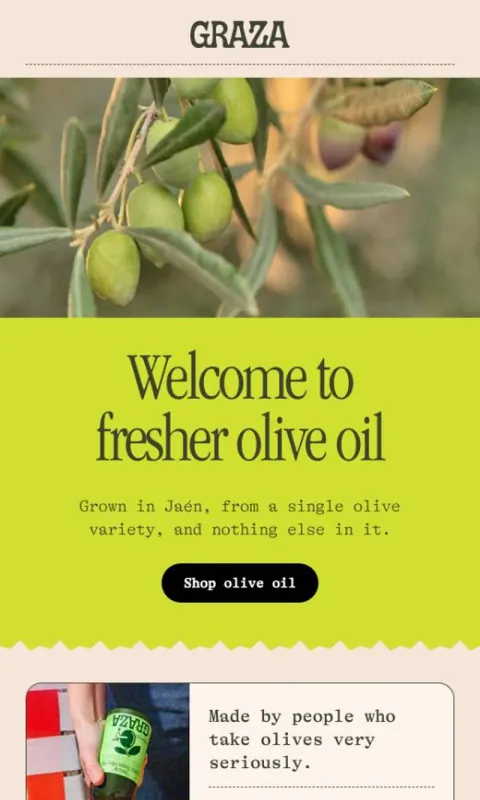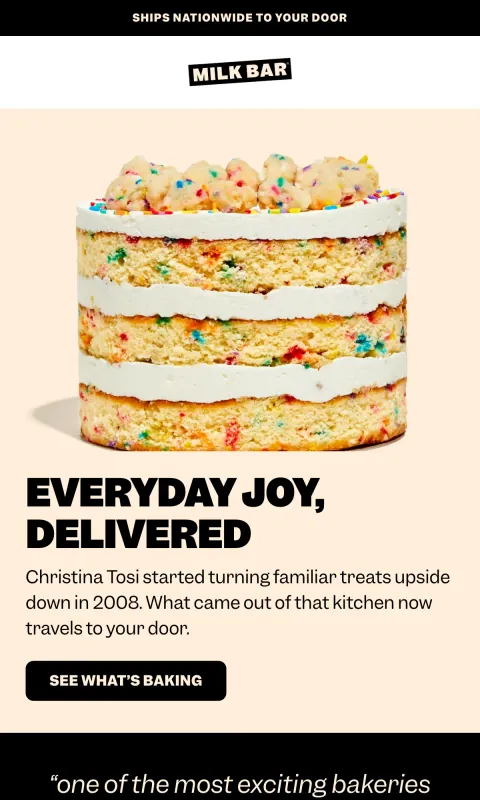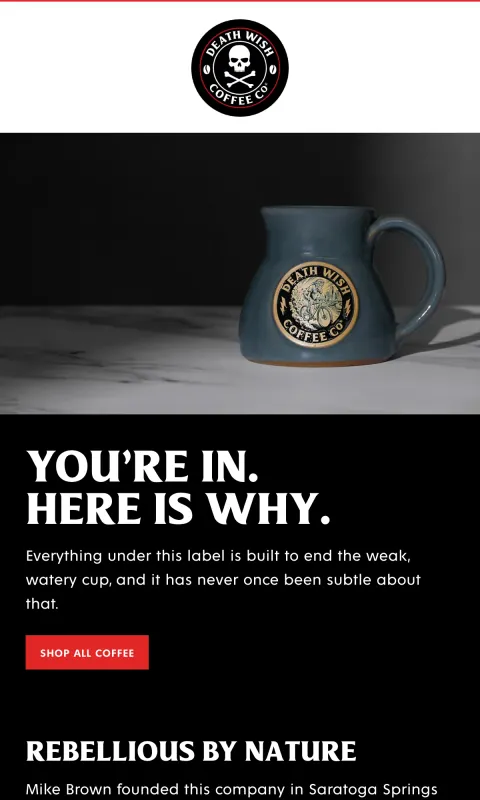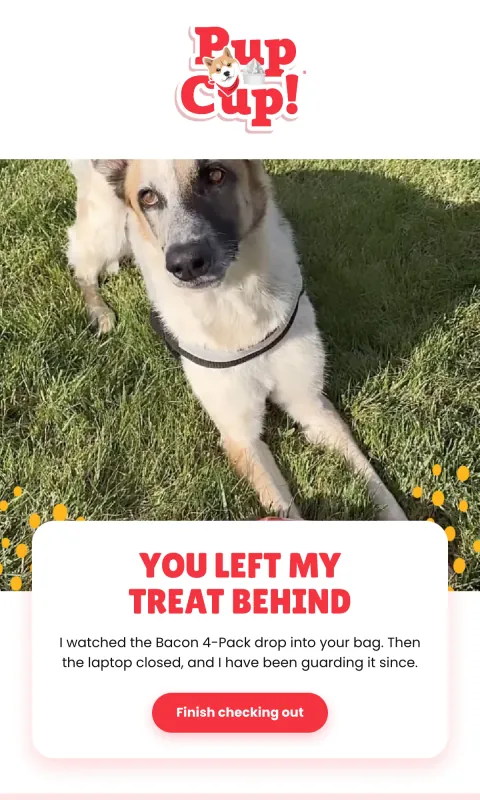

Why most Shopify store emails look generic
Because most of them start from a template. The template was drawn for every store at once, so it gets your logo and one brand color and keeps its own type, spacing and layout. A shopper who knows your site can tell.
The fix a designer would reach for is to start from the brand instead: the typeface on your product pages, the exact red of your buttons, whether your headings are set in capitals, how your photographs are cropped, whether your copy says “premium” or never would. That is a day of looking for a person. It is the first thing R10N does, and it keeps what it finds as a brand kit you can correct.
What R10N reads from a Shopify store
- Your catalog. Shopify stores publish their product listings, so R10N reads the names, prices and photographs of what you actually sell. An email about your best sellers shows your best sellers.
- Your type and color, measured. R10N opens your pages in a real browser and measures what is on screen: the typefaces you serve, their sizes, your button shape and the colors you use most.
- Your logo and your voice. The mark from your header, and how you write: sentence case or capitals, short lines or long, the words you use and the ones you avoid.
Every email starts from that. You never paste a hex code or upload a font file, and you can change any part of the brand kit if R10N read something differently from how you see it.
Five emails worth designing first
If you are starting from nothing, these do the most work for a store, roughly in this order:
- Welcome. Usually the email new subscribers open most. Say who you are and make the offer your signup form promised. Welcome email examples.
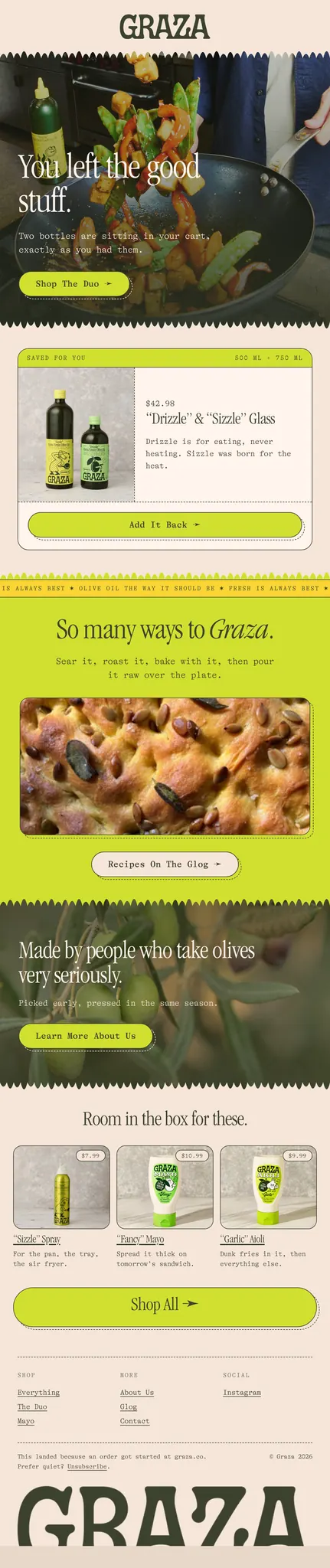
- Abandoned cart. Show what they left, with the price, and one way back. Abandoned cart examples.
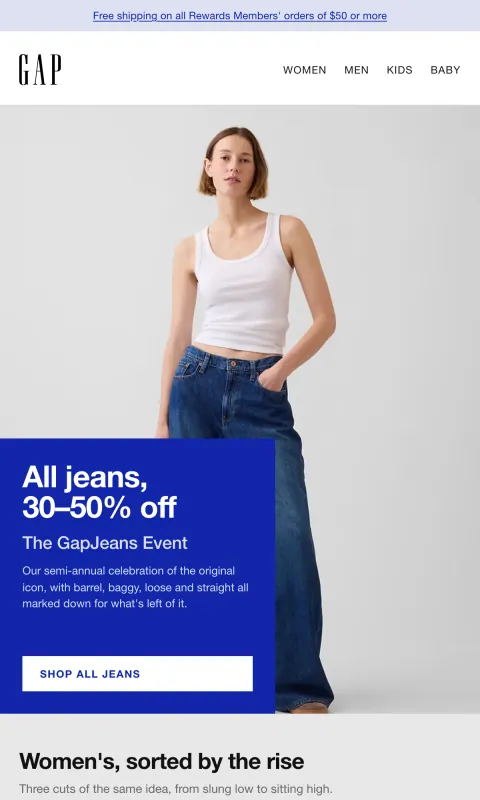
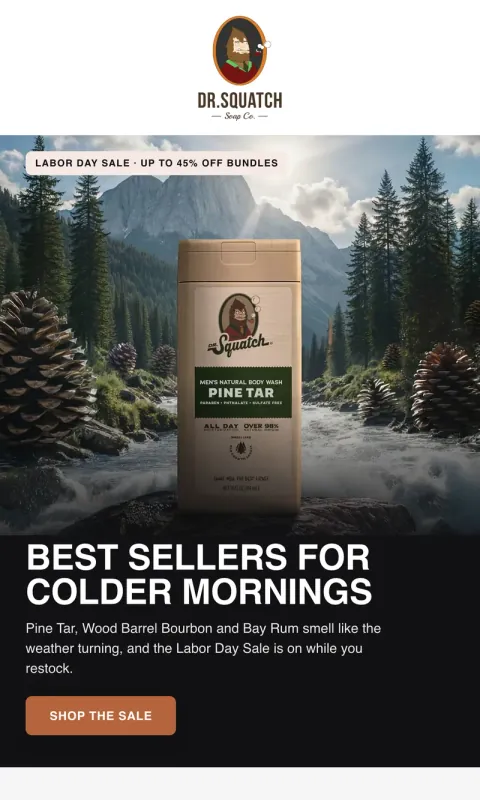
- Best sellers or new arrivals. The campaign you can send any month: your real products, a reason to look now.
- Win-back. For customers who have gone quiet: what changed while they were away. Win-back examples.
- Your sale. Black Friday and Cyber Monday most of all, planned before the week arrives. Black Friday emails.
Our three best sellers for fall, with prices. Warm and simple, one line about each, and a button to the collection.
Which email platform it sends to
R10N puts the finished email into Klaviyo, Omnisend or Mailchimp: connect the account once and each email lands there as a campaign, ready to schedule, or as a template for a flow. R10N does not send email. You send from your own Klaviyo, Omnisend or Mailchimp account. For the details of the Klaviyo side, see Klaviyo email design.
The email goes in as sliced, linked images, so it looks the same in every inbox that shows pictures. That choice has a trade-off, which we explain plainly in Image-only emails.
Questions
Do I need to install a Shopify app?
No. R10N reads your store from its web address, the same public pages and product listings any shopper can see. Your yourbrand.myshopify.com address works, and so does your own domain.
Which products does it use?
The ones in your store, with their real names, prices and photographs. Name the product or collection the email is about, or let R10N choose. It designs with what your store sells rather than inventing products.
Can I send from Shopify Email?
Not today. R10N sends finished emails to Klaviyo, Omnisend and Mailchimp. You can also download any email as a PNG.
Does it work if my store is not on Shopify?
Yes. R10N reads any brand's website. Shopify stores give it the most to work with, because their product listings are public and complete.
What does it cost?
Every plan has every feature, with unlimited brands and seats; the sizes differ in how much you design each month. The current prices are on the pricing page.